
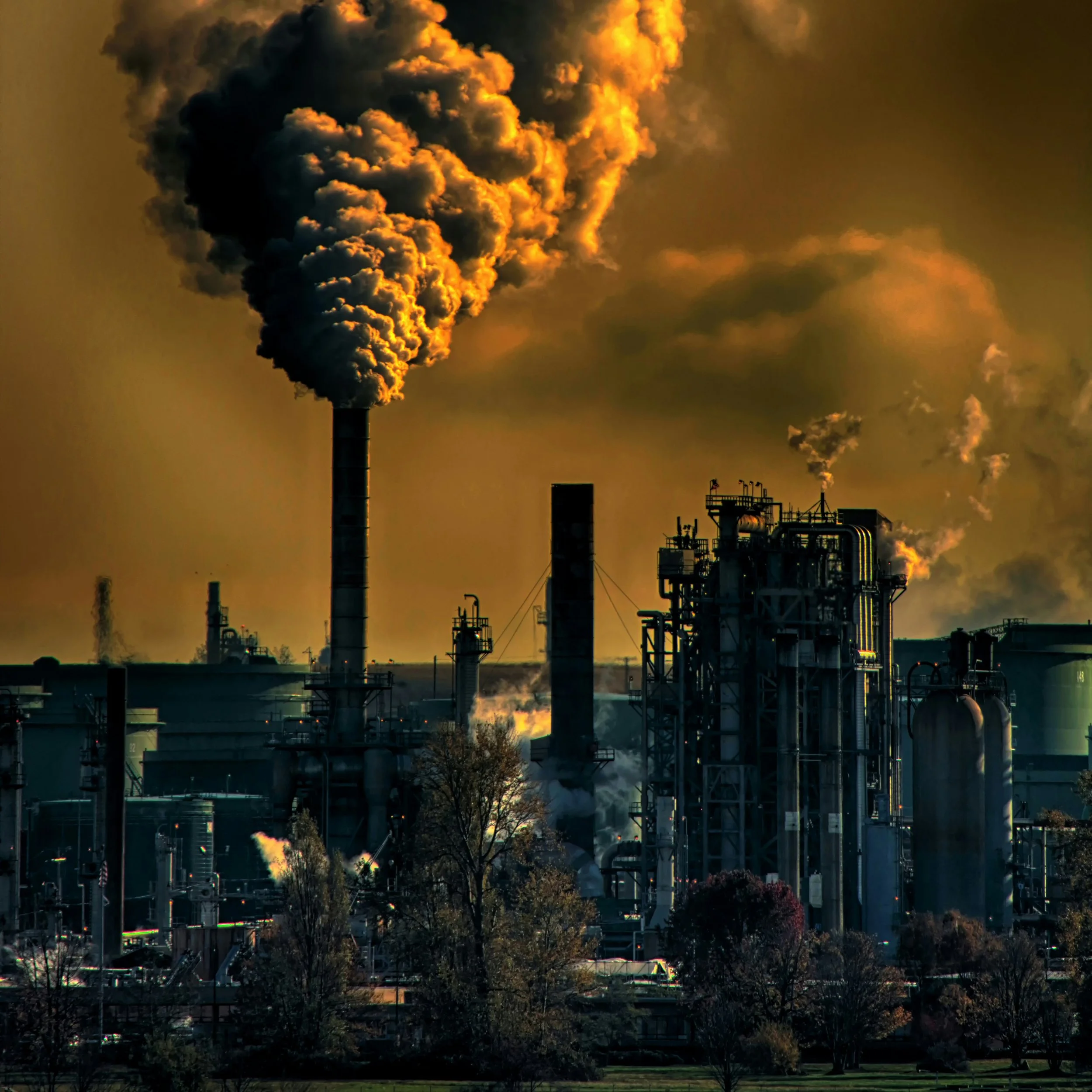
As delegates depart COP31with an over-run but no deal, the UN Chief Antonio Guterres said “There may be no consensus in the negotiating room. There is no ambiguity in the science … the world must do much more to confront the climate crisis – and it must do it now”.
Nations remain bound by previous COP deals including the commitment to transition away from fossil fuels agreed in Dubai at COP28. The frustration of these talks over fossil fuels must call into question the delivery of the Dubai commitments.
Before the COP finished, I was interested to see the Earthshot Prize winners and read reports from the 2026 Nature Finance Conference. Almost predicting the outcome in Antalya, both identify the need to properly prepare for the consequences of the climate change that has already happened.
An interesting trend is visible with recent Earthshot Prize winners increasingly focused on landscape-scale restoration, ecosystem recovery and systemic interventions rather than isolated technological fixes.
The Earthshot Prize seems to see the environmental solutions to be more about maintaining and enhancing the eco-systems upon which we all depend.
That should have profound implications for public policy where flood plains and woodlands should be considered as valuable as traditional hard-engineering solutions and viewed through the lens of infrastructure investment.
How we finance resilience was also a recurring theme of this month’s 2026 Nature Finance Conference. The discussion is shifting towards natural systems that provide tangible economic functions with the language of conservation being supplemented by the language of infrastructure delivery.
By way of context, the December 2023 the National Audit Office’s “Government Resilience: Extreme Weather Report” identified some alarming facts:
The 2012 drought was estimated to have caused around £96 million in lost profits.
In 2022, Storm Eunice left 1.4 million properties without power; that summer saw temperatures exceed 40°C in the UK for the first time and over 4,500 deaths were associated with it’s hottest days.
By 2050 there could be equally hot summers occurring roughly twice as often.
The report identified at least eight climate-related risks that already carry economic costs exceeding £1 billion per annum.
These are not projections for some distant future. They are indicators of the cost associated with the change in climate we are experiencing now.
The report concluded that the UK government has not clearly defined the level of resilience it wants to achieve, does not have a clear understanding of its risk appetite and cannot demonstrate whether current expenditure on resilience represents value for money. I suspect that the UK is not alone in this but with the COP failure ringing in their ears, it must surely be something the government has to focus on now.
Environmental initiatives are often presented as costs, while the consequences of inaction are rarely discussed in the same terms.
This is a remarkable position. The costs of climate change are becoming increasingly visible, yet the systems needed to evaluate, prioritise and fund resilience remain underdeveloped, partly because we remain poor at articulating the cost of consciously doing too little.
The reality is that even if every country meets its emissions targets, a substantial degree of future warming is already locked in. The challenge now must be to ensure that we are investing sufficiently in the resilience of our landscapes, infrastructure and communities, to hedge against likely breaches of international commitments.

As COP31 concludes, we clearly need to be far better at establishing the cost of inaction, improve resilience to our already changed climate and develop mechanisms which reward those who invest in nature based solutions.
There is a lot of merit in the parallels which I have seen drawn with the deployment of renewable energy technologies. The pump priming of this sector has proven extremely successful and central to the nation’s move away from fossil fuels.
As land managers and landowners, the rural sector has a vital and entrepreneurial role to play. It is essential that we embrace opportunities to improve resilience, address the consequences of past inaction and are realistic about likely failure by others to deliver their climate change commitments.
We must all talk about these issues and challenge those who glibly criticise the cost of intervention or are in denial about the clear link between fossil fuels and climate change. The failure of the COP does not let everyone off the hook, it means that we should double down on our own commitments to do our bit whilst improving our resilience to the changes which are coming our way.
