
The run up to the budget has seen some mixed announcements around nationally important projects which highlight our inability as a nation to make timely strategic decisions. This ultimately pegs back the growth and competitiveness which John Healey prays in aid of, hence why he has so little room for manoeuvre and was left tinkering and doing little for many.
Many commentators are naturally reporting on the detail of the budget however the real headlines ought to be around how we all contribute to the societal, systemic and political change we need to achieve the economic prosperity from which everything else flows.
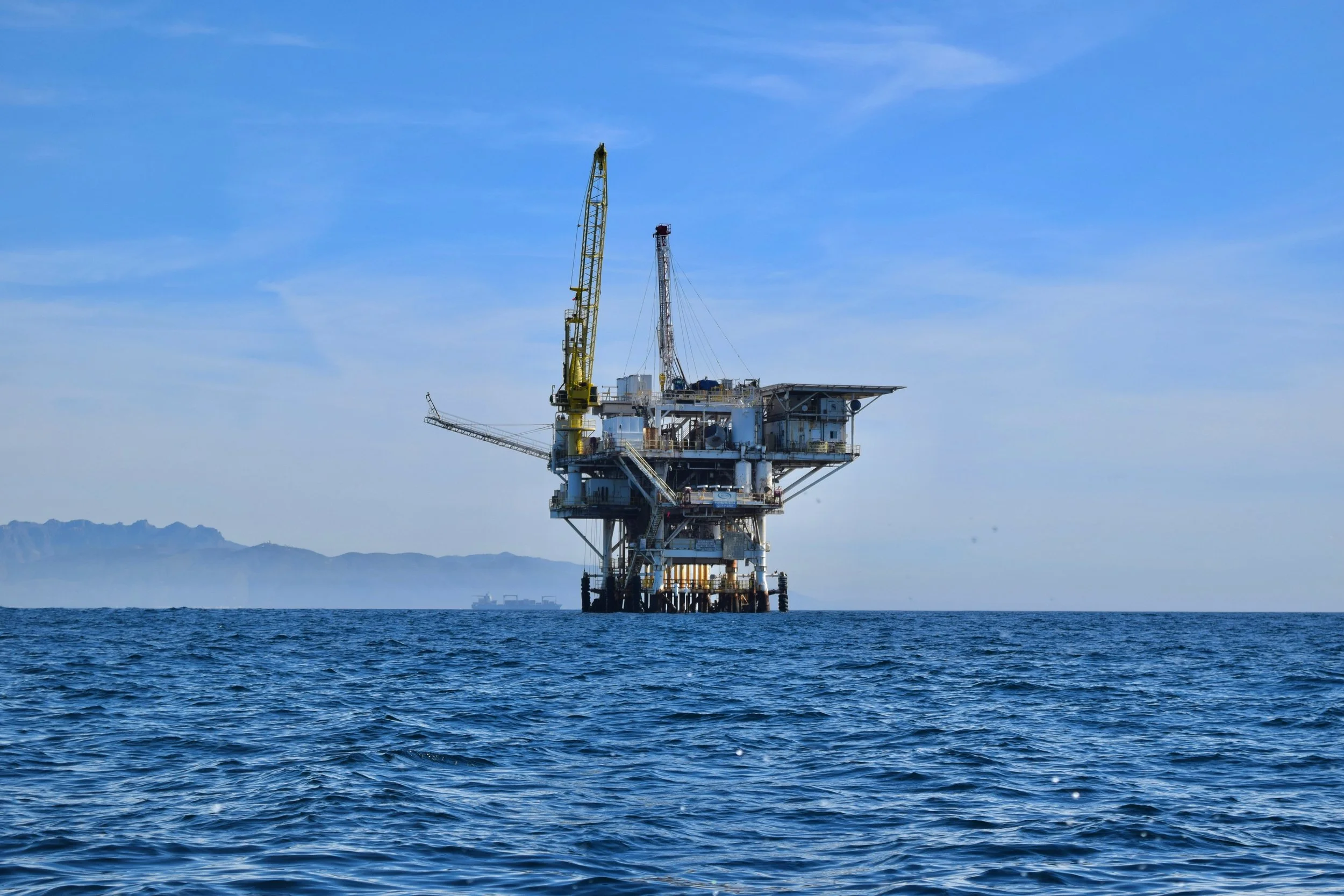
Jackdaw is a controversial gas field about 150 miles east of Aberdeen. Discovered in 2005, exploitation of the field was initially approved in 2022 but overturned by the Scottish Courts due to climate change considerations.
Governments of all colours have wrestled with the doubled edged sword which is balancing climate objectives with fuel security, national interest and cost of living considerations. The decision has finally been made to approve Jackdaw which is expected to supply up to 6% of UK North Sea gas production and begin delivering gas in November 2026. It has taken 21 years to get this point.
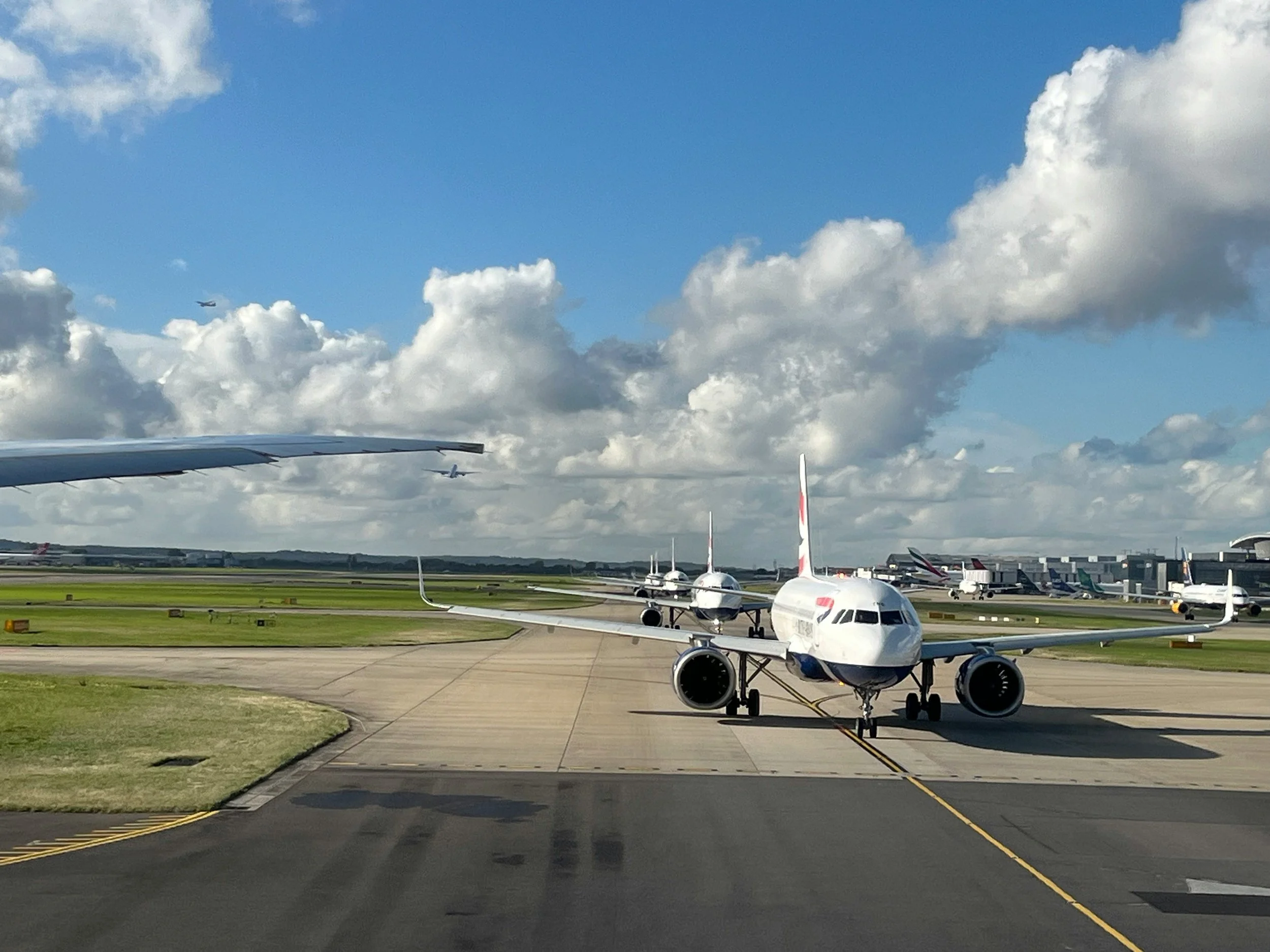
In 2003 a government White Paper proposed a 3rd runway at Heathrow. This was ratified by the Independent Airports Commission in 2015 and again by the Airports National Policy Statement in 2018. This was upheld in a Supreme Court ruling in 2022.
Similarly to Jackdaw, this has been a political hot potato for parties of all colours.
In an interview with Laura Keunssberg in September the Prime Minister said that the question of a 3rd runway at Heathrow was principally “a matter for London and Londoners." Whilst I have a lot of time for Andy Burnham, this was a piece of particularly weak leadership in my opinion.
Even if the runway is given the go ahead, Heathrow suggests that it might not be operational until 2039, 36 years after it was first proposed.
Both of these projects reminded me of the introduction to the 2025 Nuclear Regulatory Review which, whilst focussed on the nation’s inability to deliver nuclear projects, said that it’s findings applied in other sectors and areas of regulation.
It identifies three fundamental drivers to the high costs and delays associated with the sector:
“First is the risk aversion that arises because the system punishes failure but cannot reward success. This is worsened by inconsistent and insufficient political risk appetite.
Second is the priority for process over outcome using complex procedures as protection. This reduces accountability, judgement, and allows poor outcomes to be excused by “excellent” process adherence.
Third is the lack of incentives aligned with the public interest. Regulators and operators are not incentivised to maximise social benefits or minimise social costs.”
The introduction describes the system in the UK as giving “many the power to block change, but few the incentive or ability to enable it”.

More locally for me is the pollution of Windermere by raw and treated sewage. Despite the Lake District being a Unesco World Heritage site which attracts close to 18m visitors each year, Windermere, England’s largest lake, has for years been polluted by sewage.
This month a £3.6bn proposal to stop sewage being discharged into Windermere, would see a 12 mile tunnel built to transport sewage out of the National Park.
As part of a wider interview with the BBC, Louise Beardmore, chief executive of United Utilities, said "In the UK we invest in five year periods and so we come along all the time and we do a bit, then we go away and we come back and do a bit more. This is saying we need to do something differently”.
Activist Matt Staniek called the proposal a milestone but said "For me this is a plan on a piece of paper. It is not definitive action and that's what I want to see."
I share Matt’s sentiment and probably scepticism that anything will happen anytime soon.
As a nation we are beyond useless in the delivery of major projects. If we want growth, we must overcome the barriers which are placed in everyone’s way and enable swift and proportionately informed decision making.
This requires root and branch reform which the Chancellor is reliant upon to deliver the growth we all need and to allow him to deliver a far more exciting budget next time around.
Sources:
Heathrow’s third runway: Timeline, legal hurdles and the noise row | London Daily News
Prime Minister Andy Burnham refuses to back third runway at Heathrow - BBC News
Nuclear Regulatory Review 2025
Huge tunnel proposed to tackle sewage blighting Lake Windermere - BBC News
